 Synaptigen
Read the Complete Formula
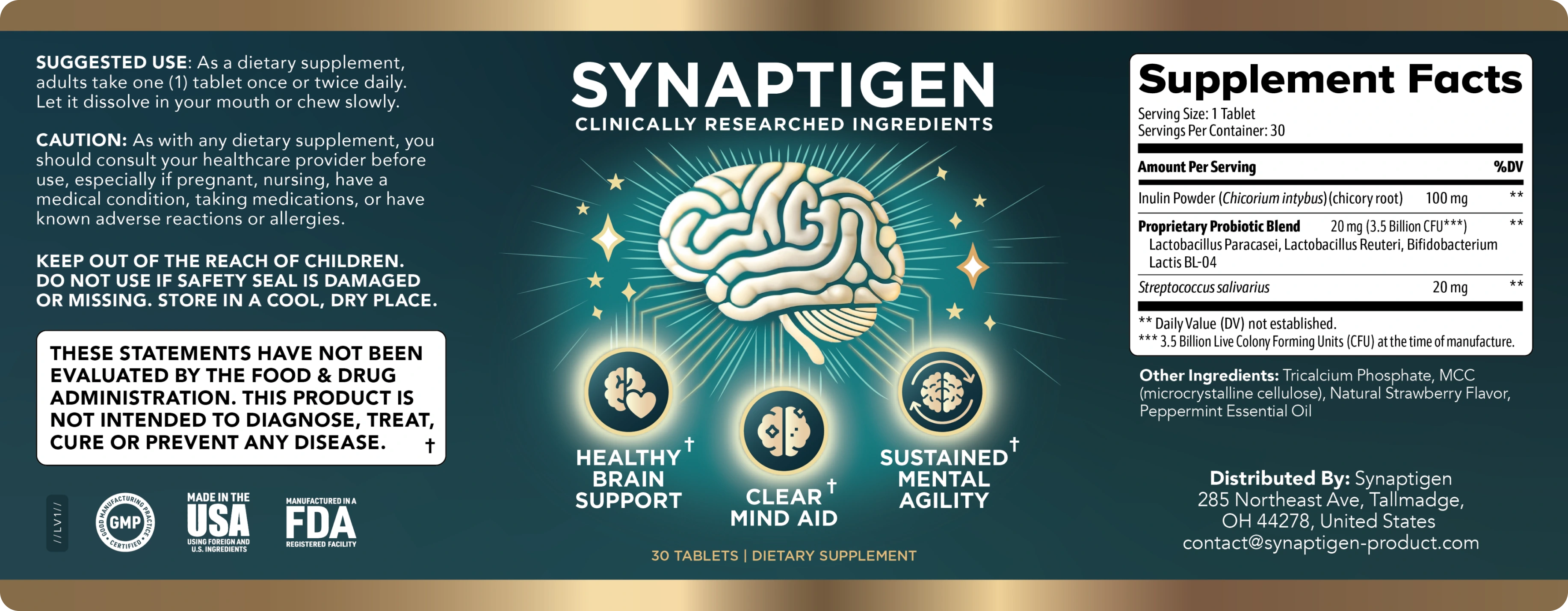
The Synaptigen ingredients list includes more than the seven names commonly highlighted in the product introduction. The full label identifies inulin, three organisms within a proprietary probiotic blend and separately listed Streptococcus salivarius. It also identifies the ingredients that form and flavor the tablet. Reading these groups separately makes the formulation much easier to understand.
One tablet is one serving. A bottle provides 30 servings, with 100 mg of inulin powder, a 20 mg proprietary probiotic blend and 20 mg of Streptococcus salivarius per serving. The blend’s colony count is 3.5 billion CFU at the time of manufacture. Individual amounts for its three organisms are not separately disclosed.
These numbers describe a tablet, not an entire bottle. They also distinguish a mass measurement in milligrams from a microbial count in colony-forming units. You cannot divide the 20 mg or 3.5 billion CFU into three equal shares and treat the result as the dose of each organism; the label gives only the combined figure.
The Nine Listed Components
Lactobacillus paracasei
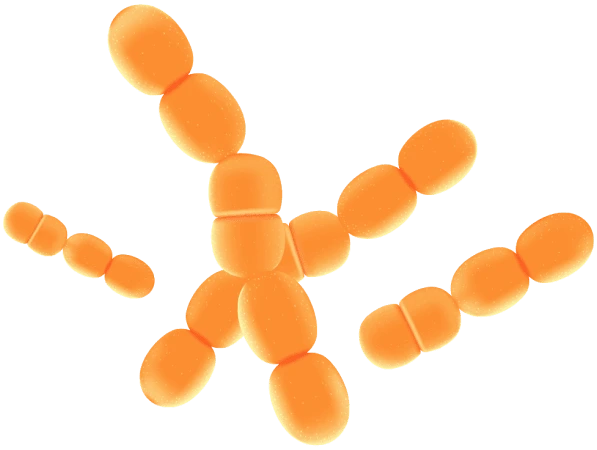
Lactobacillus paracasei is one of three organisms in the proprietary probiotic blend. It belongs to the probiotic side of the formula rather than its flavoring ingredients. The label gives a combined blend amount and CFU figure, so it does not establish a separate dose or colony count for this organism alone.

Lactobacillus reuteri
Lactobacillus reuteri shares the same 20 mg probiotic blend with paracasei and Bifidobacterium lactis BL-04. Its inclusion contributes to the product’s multi-organism design. When comparing formulas, use the full blend information instead of assuming that each listed species supplies the same amount or has identical research behind it.

Bifidobacterium lactis BL-04
Bifidobacterium lactis BL-04 is the third named member of the shared blend. The BL-04 designation is part of the label identity and helps distinguish this ingredient from a broad reference to Bifidobacterium. The 3.5 billion CFU statement applies to the combined blend at manufacture, not to BL-04 on its own.
Inulin from Chicory Root
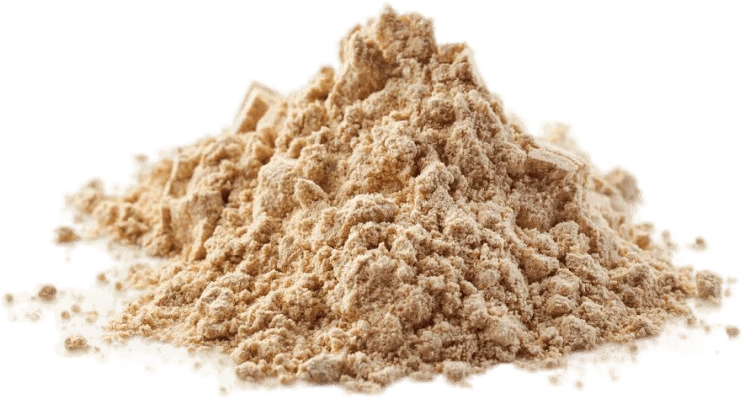
Inulin powder is listed at 100 mg per tablet and comes from chicory root, identified as Chicorium intybus. It is the formula’s prebiotic component, accompanying the probiotic organisms. This declared quantity lets you understand what one tablet supplies; it should not be confused with a high-fiber food serving or a separate fiber supplement.
Tricalcium Phosphate
Tricalcium phosphate appears in the other-ingredients list. That placement matters: it is part of the finished tablet rather than a separately dosed cognitive active on the Supplement Facts panel. No calcium or phosphorus nutrient amount is declared here, so the tablet should not be selected as a substitute for a measured mineral supplement.
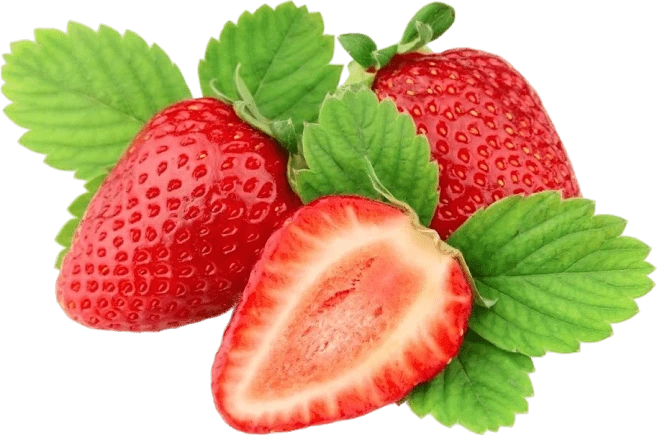
Natural Strawberry Flavor
Natural strawberry flavor is the label’s description of this component. It helps give a tablet that remains in the mouth its recognizable taste. Although product introductions may use the phrase strawberry extract, the label identifies flavoring, without an antioxidant dose or a measured serving of fruit. The ingredient is presented here in that accurate role.
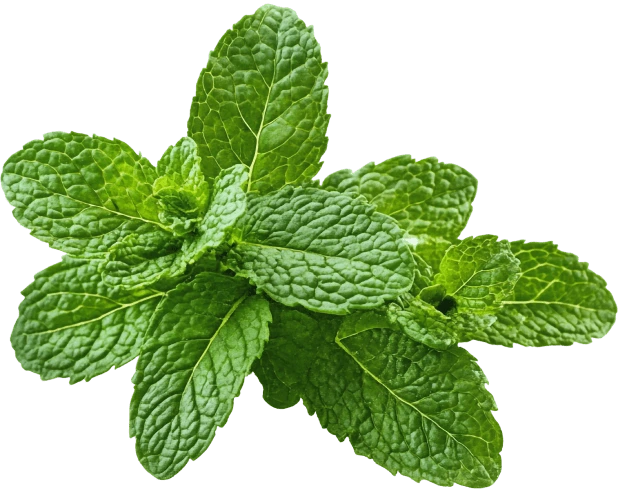
Peppermint Essential Oil
Peppermint essential oil appears among the other ingredients and complements the tablet’s strawberry flavor. Its quantity is not separately listed. The label does not describe a standardized peppermint extract dose, so the oil should be understood as part of this specific tablet formulation without borrowing the claims of a different peppermint preparation.

Streptococcus salivarius
Streptococcus salivarius is listed separately at 20 mg per tablet. That separate line distinguishes it from the three-organism proprietary blend and completes the microbial portion of the ingredient list. The label does not give it a separate CFU count or strain suffix, so neither should be assumed from the name alone.
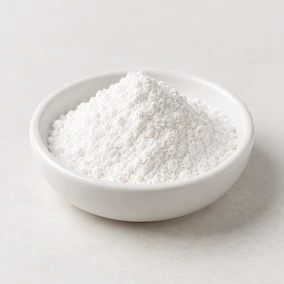
Microcrystalline Cellulose
MCC stands for microcrystalline cellulose and appears in the other-ingredients list. It is an excipient used in the tablet, not an additional active brain ingredient or a fourth member of the proprietary probiotic blend. Including it in the full ingredient overview helps make the finished formula clear, especially when checking personal ingredient sensitivities.
Understanding the Probiotic Blend
The blend joins two Lactobacillus species with Bifidobacterium lactis BL-04. A species name and a strain identifier are different levels of detail. BL-04 is expressly included in the third ingredient’s name, while the other two entries do not include a comparable suffix on this label. Preserve those names when discussing the formula or comparing it with another product.
The phrase “at the time of manufacture” belongs with the CFU figure. It tells you when that stated count applies. It should not be rewritten as a guaranteed count at every later point in storage or presented as a number for each individual organism. Following storage directions and the information on the bottle remains part of using the product as intended.
Streptococcus salivarius has its own line, separate from the proprietary blend. That is why the full formula overview includes it even though shorter marketing lists may focus on seven other components. The label supplies its mass but does not give a separate CFU figure. Treat the absence of that number as an undisclosed detail, rather than substituting the blend’s count.
Why the Other Ingredients Matter
The other-ingredients list tells you about the finished dosage form. Tricalcium phosphate and microcrystalline cellulose are not presented with separate cognitive doses. Natural strawberry flavor and peppermint essential oil contribute to a tablet that dissolves in the mouth or is chewed slowly. Their inclusion does not make the product equivalent to a serving of strawberries or a standardized botanical extract.
This distinction helps avoid an easy comparison mistake. Two products may mention the same plant in their marketing but use different forms, amounts and purposes. A flavoring ingredient should not inherit a claimed result from a concentrated extract. Likewise, the presence of a calcium-containing tablet ingredient does not establish a measured calcium supplement dose.
If you have a known sensitivity, show the complete list to your healthcare provider rather than only the highlighted probiotic names. The label specifically calls for consultation when allergies or adverse reactions are a concern. A short ingredient summary is useful for orientation, while the whole label is needed for a more personal suitability discussion.
Connect Ingredients with Your Serving
The label directs adults to take one tablet once or twice daily. At two daily servings, the declared daily amounts are twice the per-tablet figures, and a bottle lasts 15 days instead of 30. This arithmetic explains supply length; it is not a recommendation to choose the higher frequency. Follow your bottle and the advice appropriate to your circumstances.
The product’s advertised one-tablet routine is the basis for its package day counts. Keeping serving size, daily frequency and bottle quantity separate lets you compare offers accurately. The same ingredients are supplied in every package size; buying six bottles changes the quantity and unit price, not the formula within each tablet.